Key takeaways
- Rooftop solar replaces grid units at about ₹6.50 to ₹8.50 with units that cost about ₹3 levelised over the plant's life.
- Payback is typically three to five years; after that the power is close to free.
- 5% GST on the supplied-and-installed system is claimable as input tax credit.
- Solar assets qualify for 40% depreciation, with a further 20% in the first year for manufacturing units.
The unit you displace
Commercial and industrial tariffs in Rajasthan sit around ₹8.50 and ₹6.50 a unit before fixed charges. A rooftop plant makes its units at about ₹3 when the cost is spread across its life. The plant does not have to cover the whole load to be worth it; it only has to cover the expensive daytime units, which is exactly when it generates.
Sizing to the load
Under net metering the plant is sized up to your sanctioned load. The audit models your actual load curve, shifts included, against the generation curve. A day-shift unit with a 200 kW sanctioned load and a 20,000 square foot shed is a different design from a three-shift unit on the same roof. Above the sanctioned load we design for captive use with export limits.
The two tax levers
- GST at 5% on a rooftop plant supplied and installed as one package, in force since 22 September 2025. A GST-registered business claims that 5% back as input credit against its own output tax.
- Accelerated depreciation. Solar assets qualify for 40% depreciation, and manufacturing units can take a further 20% in the first year. On a profitable unit that pulls a meaningful part of the price back through tax in year one. Ask your CA, or ours.
Three ways to pay
| Route | What it means | Who it suits |
|---|---|---|
| CAPEX | Buy the plant outright. Fastest payback, full depreciation benefit, the plant is yours from day one. | Profitable units with cash on hand |
| EMI | Finance through the group's financing arm or your bank. Savings typically cover the instalment from month one. | Units that want the saving without the outlay |
| OPEX | Pay per unit with no upfront cost, for larger sites. Coming soon; ask us about eligibility. | Larger roofs, lower appetite for assets |
Reading a factory proposal
- Module make, model and ALMM status. DCR is not required without subsidy, so expect imported-cell modules and more wattage for the money. See the ALMM and DCR checklist.
- Structure calculation for your shed: purlin loads, wind speed rating, and the clamp system.
- The generation estimate with its yield stated per kW per year, and the shading and orientation it was built from.
- Net-metering scope: who files with JVVNL, AVVNL or JdVVNL and what the DISCOM's transformer check found.
- Service: the five years of service included, the published yearly rate from year six, and the RMS fleet view your plant will report to.
How long it takes
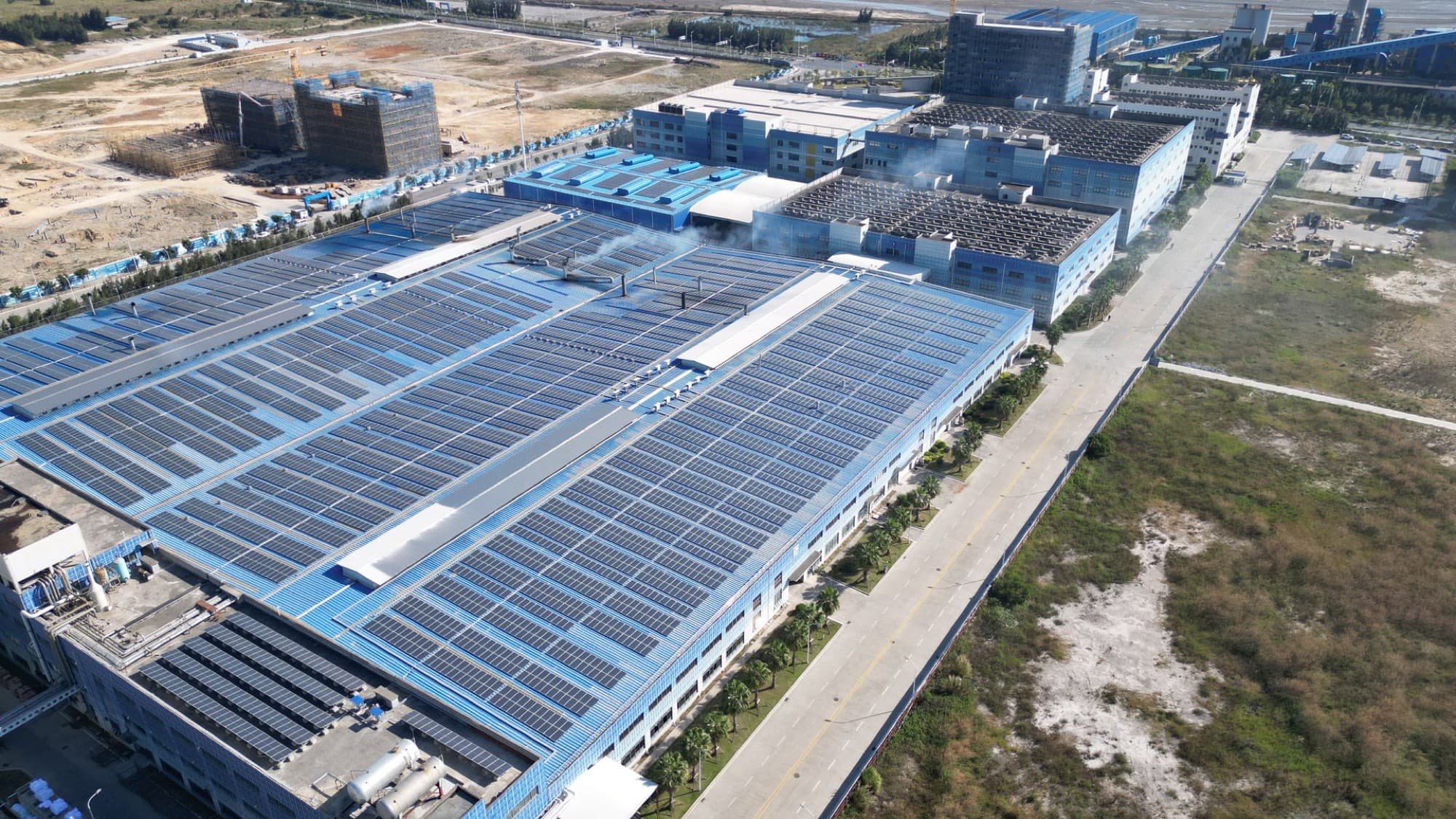
A 100 kW plant on a metal shed is a few weeks from survey to switch-on, with the installation itself planned around your shifts. The DISCOM inspection and meter follow. Production does not stop; the only downtime is a short grid changeover at commissioning.
Part of Solar for factories in Rajasthan
Suntask engineering desk · Jaipur
Posts are drafted by the engineers who size, file and install Suntask plants across Rajasthan, and checked against the scheme portals before publishing. Figures carry the date they were last checked.