Housing societies · Rajasthan
One decision, every tower saves.
एक फ़ैसला, हर टावर की बचत।
Common-area solar for lifts, pumps and lights. Group net metering credits the society's bills. We handle the DISCOM.
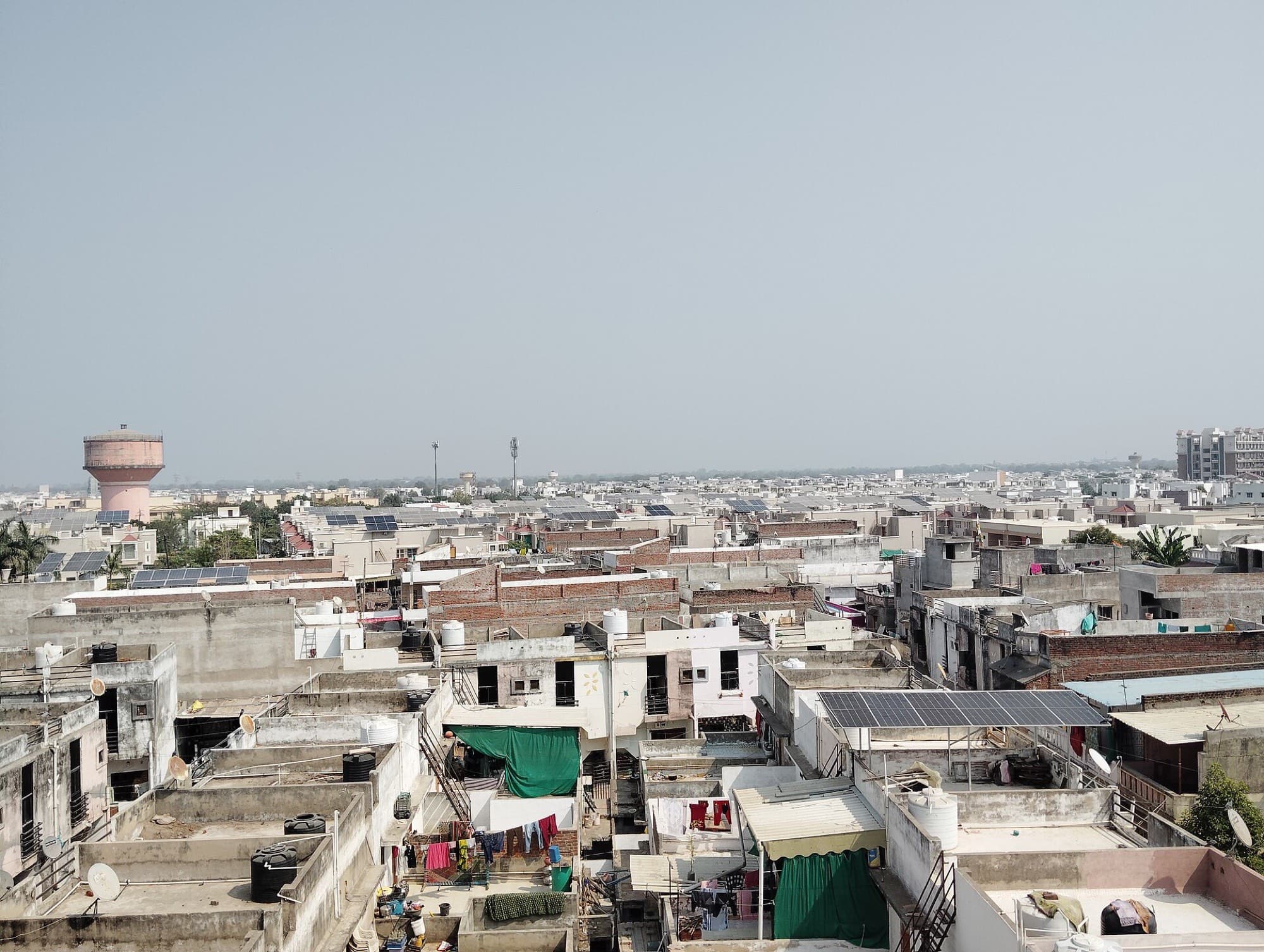
How it works
Five steps from AGM to credit.
- 1
A resolution
The managing committee or AGM approves a survey. We bring the template.
- 2
Survey
Roofs, shading, the common meters and their sanctioned loads, all in one register, plus a 3D design of the plant on your roof for the committee to see before it commits.
- 3
One plant, sized to common load
Lifts, pumps, corridor and street lights, clubhouse and gym. Sized from twelve months of bills.
- 4
Group net metering
The plant's output is credited across the society's common connections. We file it with the DISCOM.
- 5
Credit on every bill
The maintenance bill drops for every flat. RMS shows the committee the plant every day.
Group net metering
One plant, many meters.
Group net metering lets one solar plant offset several connections under the same owner. Rajasthan's regulator enabled it in 2025 for plants above 1 kW and up to 1 MW, and waived the feasibility study for residential plants up to 10 kW.
- 01
Who qualifies
A registered society or RWA with common connections in its own name.
- 02
Where the panels go
A tower roof, the clubhouse, a parking canopy. The rules no longer insist on a rooftop.
- 03
The current position
DISCOM procedures for group net metering are still settling. We quote the current position for your DISCOM, not a promise.
Subsidy for common areas
₹18,000 per kW, up to 500 kW.
PM Surya Ghar pays housing societies and RWAs ₹18,000 per kW for common facilities, up to 500 kW at 3 kW per house. Individual flats apply on their own connections as usual; we run both together.
₹18,000
per kW for common facilities
500 kW
ceiling, at 3 kW per house
₹78,000
maximum per flat on its own connection
Pilot invitation
Now onboarding the first Jaipur societies.
Bring the last three common-meter bills to the first call. We return a sized plant, a subsidy line and a group net metering plan for your DISCOM, at no charge.
Start a society pilotSociety questions
Six things committees ask.
Does every flat have to agree?
The common-area plant needs the committee's resolution, not every owner's signature. Individual flats join separately if they want their own plant.
Whose name is the plant in?
The society's. The common connections are in its name, and so are the plant, the subsidy and the net-metering agreement.
How much can common bills drop?
It depends on the common load and the roof. Lifts and pumps run in daylight, which suits solar; the survey turns twelve months of bills into a figure.
What if the roof belongs to the top-floor flats?
Roof rights vary by society. We check the bye-laws with the committee before survey, and a clubhouse or canopy is often the simpler site.
Who maintains it?
We do. Five years of service are included with every plant we build; the committee renews yearly from year six, for up to 10 years, and sees the plant on RMS.
Can flats without roof access get solar too?
Under virtual net metering, yes in principle: a share of a plant elsewhere is credited to a flat's own bill. Rajasthan has enabled it; DISCOM procedures are still settling and we say so plainly.
From the blog
Explained by the engineers.
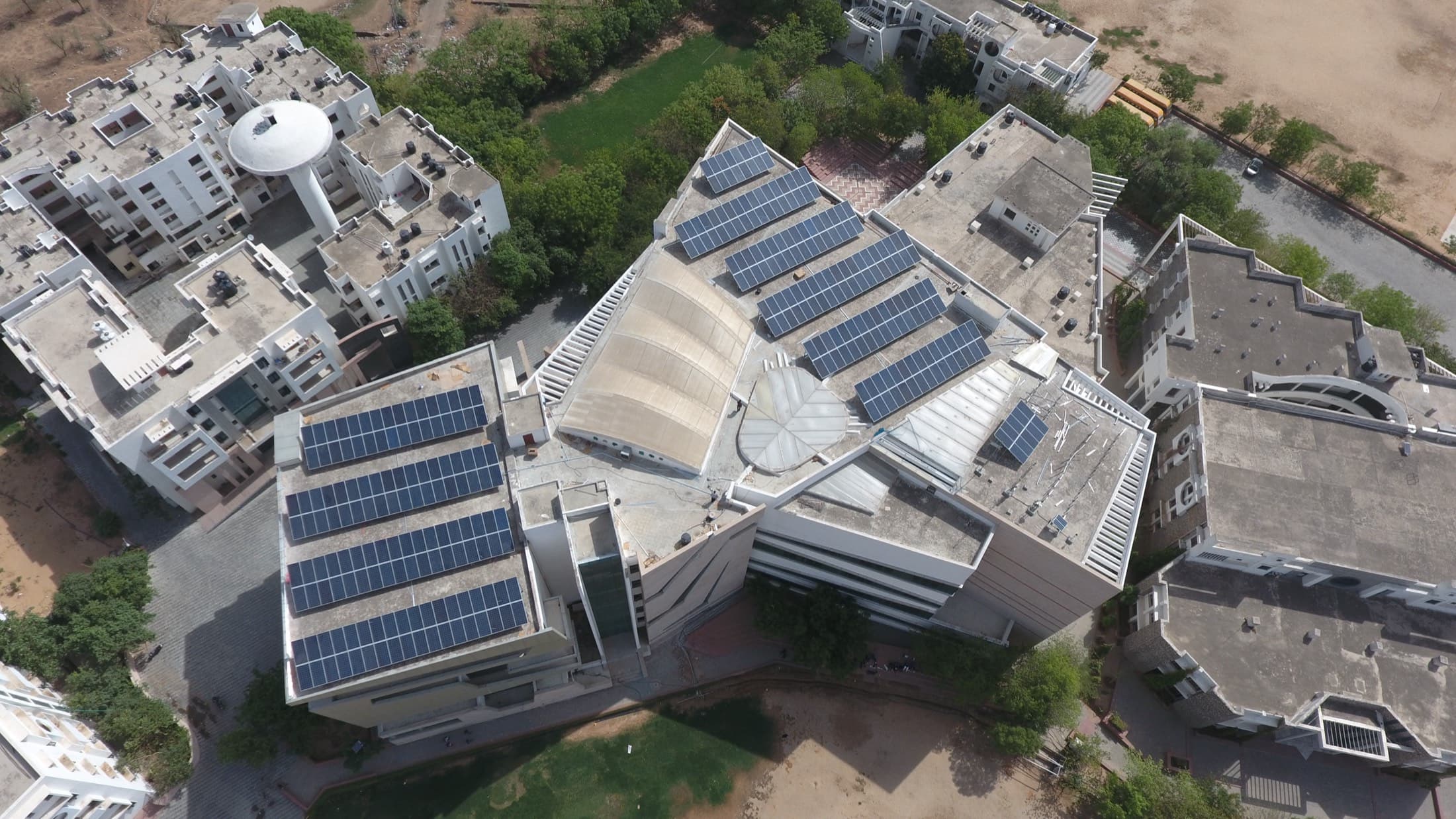
Net metering and DISCOMs
Net metering in Rajasthan: JVVNL, AVVNL, JdVVNL, step by step
Net metering is the agreement that turns your roof into a two-way account with the DISCOM. Here is how the application moves through JVVNL, AVVNL or JdVVNL, what each step needs from you, and where applications stall.
4 September 2026 · 5 min readRead the article
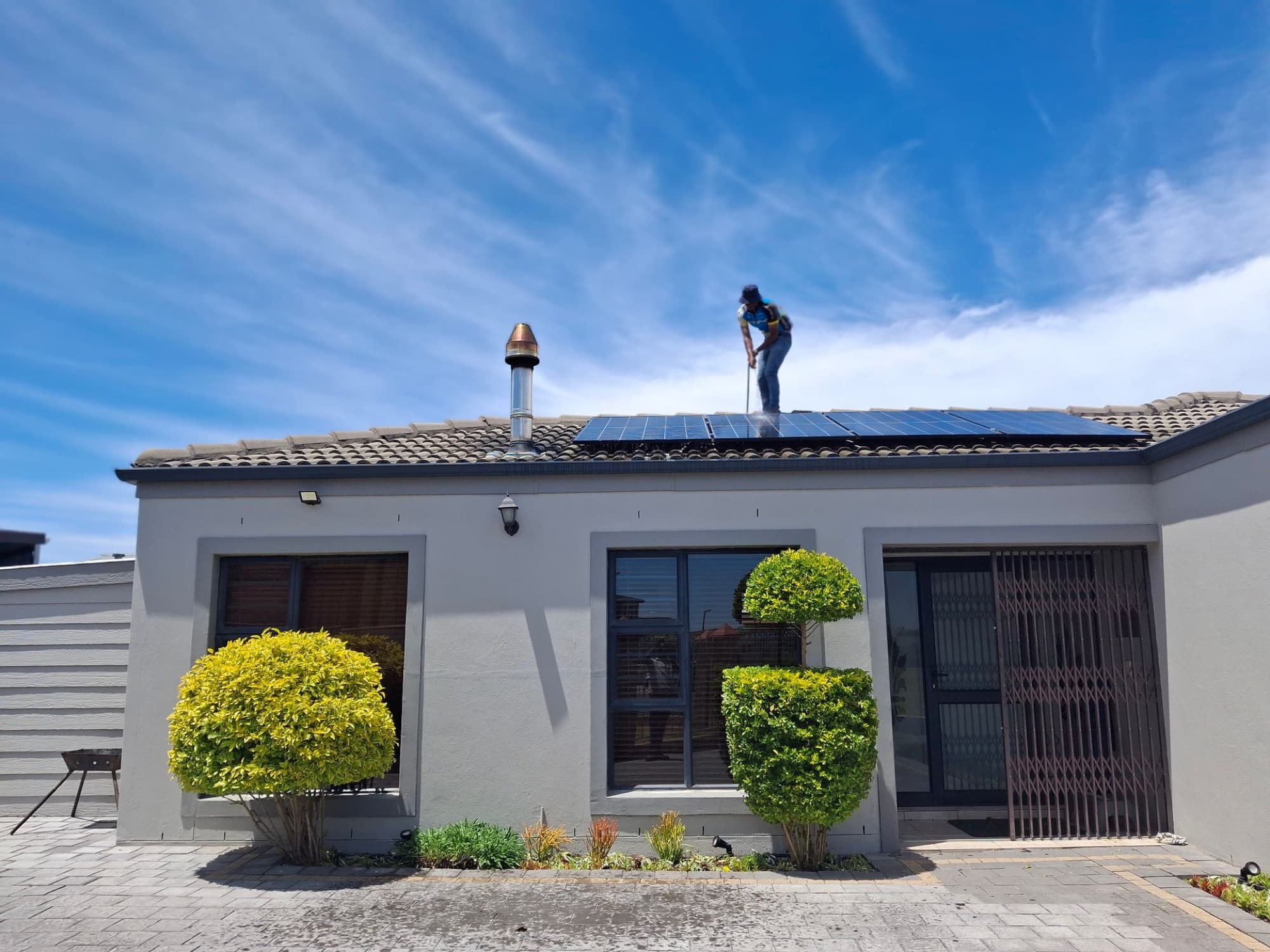
Monitoring and service
Dust, heat and monsoon: staying at full output
The same sun that makes Rajasthan the best state for solar comes with dust, 45-degree afternoons and a short, hard monsoon. Each takes a little from the plant. Here is what each one does, and the maintenance that gets the units back.
4 September 2026 · 4 min readRead the article
Start a society pilot
Tell us about the society.
Enter the PIN code and the common-meter bill band. A Suntask engineer calls the committee contact and replies on WhatsApp within 15 minutes, 9am to 7pm.