Savings calculator
What your roof could do.
Type in your monthly bill. The estimate uses Rajasthan planning yields and current tariffs, and the audit replaces it with numbers from your actual bills.
Savings calculator
Average across the year.
Optional. Tells us your DISCOM.
What happens next
- 1
Estimate, now
This page. Indicative in a minute.
- 2
Free bill audit
On WhatsApp, from your actual bills.
- 3
Survey and 3D design
Within 3 working days, then a fixed quote.
3 kW system, about ₹30,975 saved in year one.
Suggested system
System size
3kW
Roof needed
300sq ft
A ₹3,000 bill points to about 3.5 kW; the nearest pack is 3 kW. It covers about 86% of your use, about 4,425 units a year. Less roof than that?
Your savings
Monthly*
₹2,581
Yearly*
₹30,975
10 years*
₹3.6 lakh
- Subsidy
- ₹78,000
- PM Surya Ghar, paid to your account
- Payback
- ≈ 3.5 yrs
*Estimates from a Rajasthan planning yield of 1,475 units per kW a year and current tariffs, with tariffs rising 4% a year and panels losing 0.5% a year. Pack prices are ex-GST; GST is added on your quote. Nothing here is a promise. The survey and 3D design replace it with numbers from your actual bills. Exact pricing is one WhatsApp message away.
More than money
Each year, from the same units.
CO₂ avoided
3,630kg
Trees' worth
173
Car km
30,238km
and book a free bill audit.
Solar EMI calculator
The loan, month by month.
The same tool that sits on the financing page, on the bill you typed above: the EMI, what the subsidy does to it, and what you pay each month against the bill today. Every assumption is listed inside the tool.
Solar EMI calculator
Your average month. Leave blank to compare with what the plant makes.
A ₹3,000 bill points to about 3.5 kW.
Chosen from your bill; pick a chip to change it.
Your EMI: ₹1,930 a month
Your EMI
₹1,930
a month
₹1,010
a month, after the ₹78,000 subsidy prepays the loan at month 3
- 3 months at ₹1,930
- ₹78,000 subsidy
- 117 months at ₹1,010
Your bill becomes your EMI
₹651 a month less than today, from the first EMI.
- Bill today
- ₹3,000
- With solar, until the subsidyEMI ₹1,930 + ₹419 of bill the plant does not cover
- ≈ ₹2,349
- After the subsidyEMI ₹1,010 + ₹419 of bill the plant does not cover
- ≈ ₹1,429
- After the loan closes10 years from the first EMI
- ≈ ₹419
The plant covers about 86% of your bill.
Bill read as units at ₹7 a unit. The plant makes about 1,475 units per kW a year, and the saving is capped at what you use. Fixed charges and any units beyond the plant's output stay on the bill. Tariff held flat; it has risen most years.
The money
- Suntask priceex-GST; GST at the rate on your quote is added to the invoice the bank finances
- ₹1,85,000
- You pay upfront10% margin
- ₹18,500
- Bank loan7% a year over 120 months
- ₹1,66,500
- Subsidy, credited to your accountcentral ₹78,000
- ₹78,000
- Total interest≈ ₹65,485 without the prepayment
- ₹35,644
- Net system cost after subsidy
- ₹1,07,000
Illustration at 7%; the bank's sanction letter governs. EMIs rounded to the nearest ₹10.
Adjust to a sanction letter or quote
Blank = by slab from the size
Assumptions and verification
Every default the tool uses, with where it comes from. The register number matches doc #36 §7.
| V1 | Rate up to ₹2,00,000 (% a year) | 7% | Illustration5.75–7.25% published, Jul 2026 |
| V2 | Rate above ₹2,00,000 (% a year) | 8% | Assumed |
| V3 | Upfront up to ₹2,00,000 (%) | 10% | Verify with bank |
| V4 | Upfront above ₹2,00,000 (%) | 20% | Assumed |
| V6 | Central subsidy (₹) | ₹30,000 · ₹60,000 · ₹78,000 | Scheme ruleMNRE |
| V7 | MNBY | ₹17,000 | Scheme ruleJVVNL · AVVNL · JdVVNL |
| V8 | Month the subsidy lands | 3 | Assumed30–45 d |
| V12 | Tariff (₹ a unit) | ₹7 | AssumedJVVNL |
| Y | Yield (units per kW a year) | 1475 | Planning yield= savings calculator, guide, blog |
| V17 | Price (₹) | 2 kW ₹1,63,000 · 3 kW ₹1,85,000 · 4 kW ₹2,35,000 · 5 kW ₹2,85,000 · 6 kW ₹3,25,000 · 7 kW ₹3,65,000 · 8 kW ₹3,85,000 · 10 kW ₹4,85,000 | Published price, ex-GST |
How it works
What the calculator assumes.
What assumptions does the calculator use?
A planning yield of 1,475 units per kW a year for a well-sited Rajasthan roof, current DISCOM tariffs by segment, the PM Surya Ghar slabs, and Suntask's pack prices, ex-GST, for the EMI and payback. The assumptions sit in one file and are retuned when tariffs change.
Is the estimate accurate?
It is indicative. It cannot see your roof, your shade or your sanctioned load. The free bill audit replaces it with numbers from your actual bills and a survey, and the quote that follows is fixed.
Why does it ask for my bill and not my units?
Because everyone knows their bill. The calculator converts it to units at the tariff for your segment and sizes the plant by the usual rule of 1 kW for every ₹800 to ₹1,000 of monthly bill.
Does it include the ₹17,000 Rajasthan top-up?
It shows the central subsidy by slab. The state top-up depends on your connection being registered under Mukhyamantri Nishulk Bijli Yojana, which we check against the DISCOM record at the audit.
What does payback mean here?
Net price after subsidy divided by the yearly saving. Most subsidised 3 kW homes in Rajasthan land at about three to four years; businesses at three to five.
From the blog
Explained by the engineers.
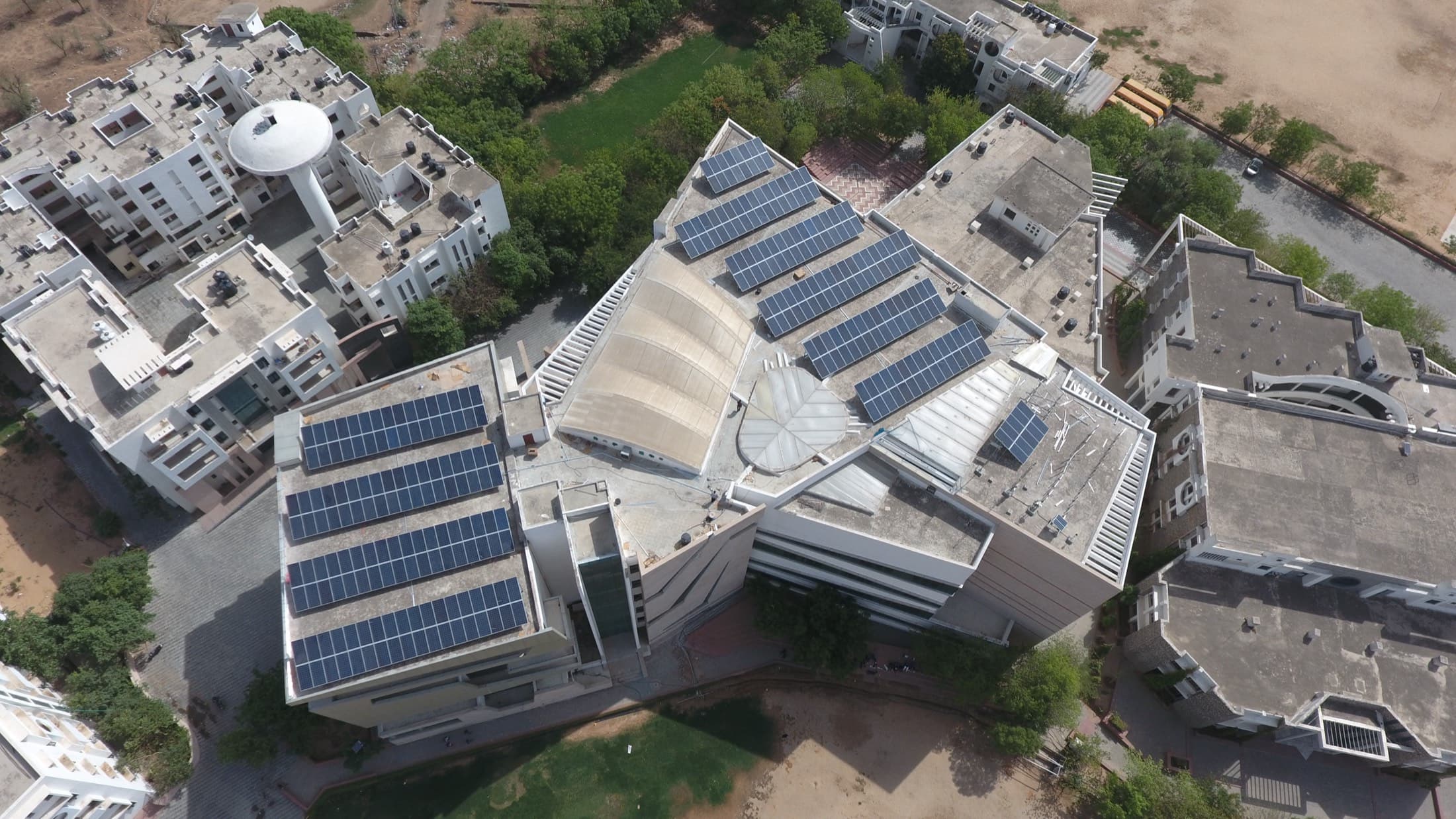
Net metering and DISCOMs
Net metering in Rajasthan: JVVNL, AVVNL, JdVVNL, step by step
Net metering is the agreement that turns your roof into a two-way account with the DISCOM. Here is how the application moves through JVVNL, AVVNL or JdVVNL, what each step needs from you, and where applications stall.
4 September 2026 · 5 min readRead the article
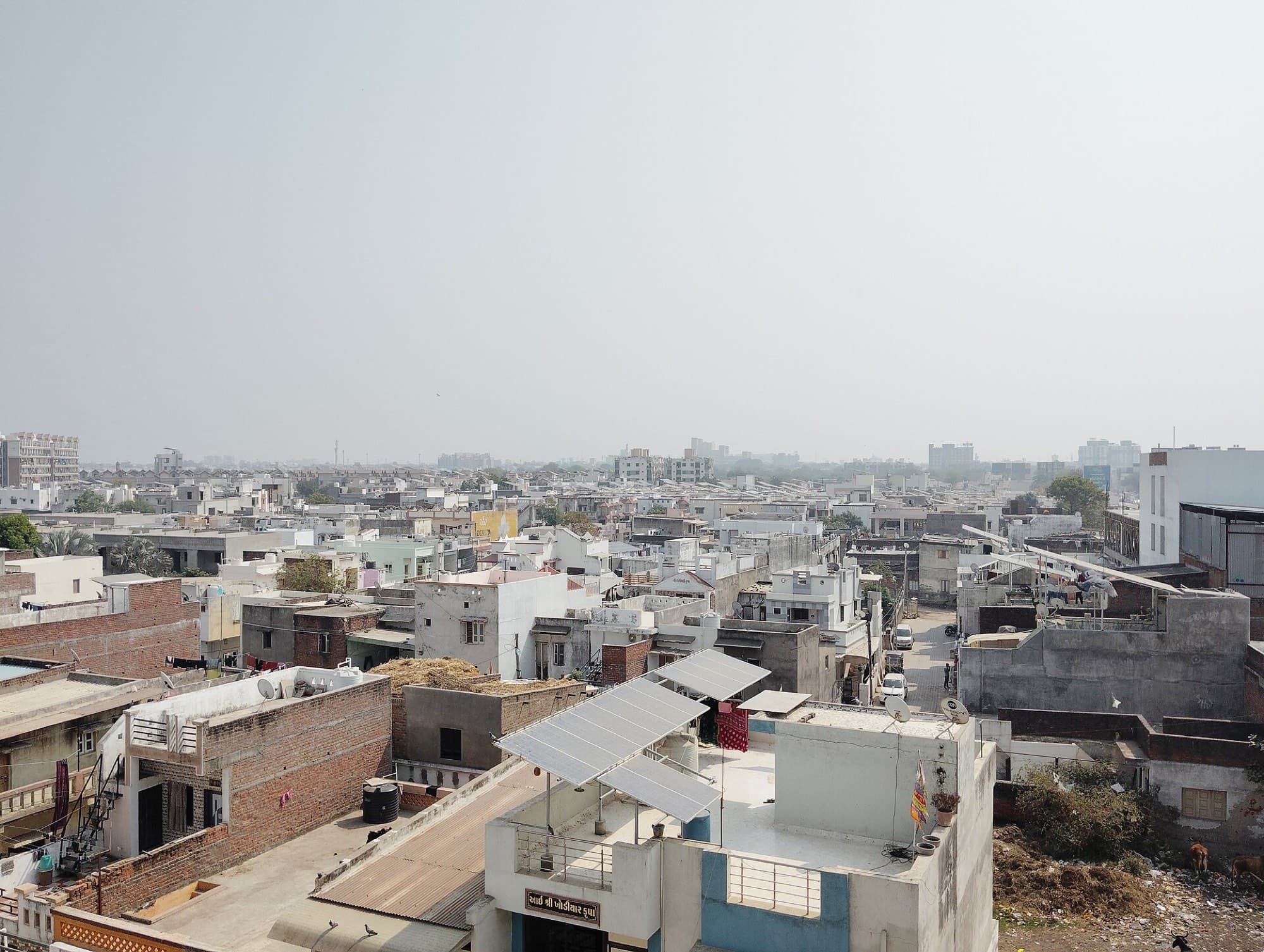
Subsidy and money
Rajasthan's ₹17,000 solar top-up, explained
The central PM Surya Ghar subsidy tops out at ₹78,000. Rajasthan adds up to ₹17,000 for families under its free-electricity scheme, taking the total to ₹95,000. This is the explainer for that extra amount: eligibility by connection, the payment route, and the maths for the small plant it was designed around.
4 September 2026 · 4 min readRead the article
Buying a system
ALMM and DCR panels: check before you sign
Two acronyms decide whether your subsidy arrives: ALMM and DCR. Here is what they mean, how to check a quote against them in five minutes, and the other questions worth asking before the money moves.
4 September 2026 · 4 min readRead the article