PM Surya Ghar · Rajasthan
PM Surya Ghar: up to ₹95,000, filed for you.
पीएम सूर्य घर मुफ़्त बिजली योजना
Up to ₹78,000 central, up to ₹17,000 Rajasthan top-up. We size, file and install. The subsidy lands in your account.
What a 3 kW home can receive
- Central subsidy, 3 kW and above
- ₹78,000
- Rajasthan top-up, eligible families
- up to ₹17,000
- Total, paid to your own account
- up to ₹95,000
Direct transfer from the government to your bank account, not ours. Exact figures depend on system size and DISCOM record.
Hurry, this scheme ends soon.
Subsidy ends 31 March 2027
The scheme in brief
One crore homes, one national portal.
PM Surya Ghar Muft Bijli Yojana is the central government's rooftop solar scheme for homes, launched in February 2024 with a target of one crore households. You apply on the national portal, choose a vendor registered with your DISCOM, and the subsidy is paid by direct transfer once the plant is installed, inspected and commissioned.
Official figures
81.7 lakh
applications on the national portal
47.1 lakh
rooftop plants installed
16.6 GW
of household solar capacity added
₹31,071 crore
subsidy paid to households
The Rajasthan advantage
₹17,000 more, if your family qualifies.
Rajasthan adds a state top-up of up to ₹17,000 on the central subsidy for families under Mukhyamantri Nishulk Bijli Yojana, the state's free-electricity scheme. Eligibility is by connection, not by promise, so we check yours against the DISCOM record before we file.
Who gets the top-up
Households registered under Mukhyamantri Nishulk Bijli Yojana, which gives 150 free units a month. If your bill already shows that concession, you are in the frame. A 1.1 kW plant sized to those units can come to almost nothing after both subsidies.
How it is paid
The central subsidy is credited first; the state top-up follows to the same account. We track both and tell you on WhatsApp as each one lands.
What we need from you
The latest bill and the consumer number. That is enough for us to read the tariff category, the sanctioned load and the concession flag.
DISCOM by DISCOM
JVVNL
Jaipur Vidyut Vitran Nigam
Jaipur, Alwar, Kota, Bharatpur, Dausa, Tonk and the east
Our home circle. Feasibility, inspection and net meter run through the Jaipur sub-divisions we work with every week.
AVVNL
Ajmer Vidyut Vitran Nigam
Ajmer, Udaipur, Bhilwara, Nagaur, Sikar, Jhunjhunu and the south
Same national portal, same steps; inspection is by the local sub-division. Our Sikar and Ajmer crews cover it.
JdVVNL
Jodhpur Vidyut Vitran Nigam
Jodhpur, Bikaner, Barmer, Pali, Churu, Sri Ganganagar and the west
Highest sun, hottest roofs. We size for the heat and schedule surveys district by district.
Subsidy slabs
Central subsidy, by system size.
| System size | Central subsidy | Suits monthly use of |
|---|---|---|
| 1 kW | ₹30,000 | up to 150 units |
| 2 kW | ₹60,000 | 150 to 300 units |
| 3 kW and above | ₹78,000 | over 300 units |
- Systems can go up to your sanctioned load, maximum 10 kW under the scheme. The central subsidy stays capped at ₹78,000.
- The Rajasthan top-up of up to ₹17,000 for eligible families is paid on top.
Eligibility and documents
Five things to have ready.
You qualify if you are an Indian citizen, own a house with a roof fit for panels, hold a valid electricity connection in your own name, and have not taken another solar subsidy on that connection.
- 01
Aadhaar card
Name spelt exactly as on the electricity bill.
- 02
Latest electricity bill
The consumer number on it is the key to the whole application.
- 03
Bank passbook or cancelled cheque
An Aadhaar-linked account in your own name; the subsidy is transferred here.
- 04
Proof of roof rights
Property paper, or a letter from the society for a shared roof.
- 05
A passport photo
For the portal profile.
The name on Aadhaar, the bill and the bank account must match. Most rejections start here, so we compare all three before anything is filed.
The process, step by step
Seven steps. Three sit with the DISCOM.
We do the paperwork and chase the rest. We do not pretend to control the DISCOM's calendar, so each step below says whose desk it is on.
- 1
Register on the portal
On pmsuryaghar.gov.in with your state, DISCOM, consumer number and mobile. We do it with you on a call; the login stays yours.
Day 1 · with us
- 2
Apply for rooftop solar
Under your consumer number, with roof details and the system size we worked out from your bills and the 3D design of your roof.
Day 1 · with us
- 3
Choose a registered vendor: pick us.
The portal lists vendors registered with your DISCOM. Pick one, and the DISCOM issues feasibility approval for the size applied.
DISCOM desk
- 4
Install with ALMM and DCR components
ALMM-listed panels with domestic cells, an approved inverter, and the mounting structure we use across Rajasthan. Up to 10 kW goes up in a day.
1 day on site · us
- 5
DISCOM inspection and net meter
We submit the plant details; the DISCOM inspects and installs the bidirectional meter.
DISCOM desk
- 6
Commissioning upload
Commissioning report on the portal, with your bank details for the transfer.
Same week · us
- 7
Subsidy by direct transfer
Paid into your bank account, typically 30 to 90 days after commissioning. We track it until it lands.
30–90 days · DISCOM and MNRE
Why applications get rejected
Five mistakes we prevent.
Name mismatch
Aadhaar says one spelling, the bill another. We compare all three documents before filing and get the bill corrected first if needed.
Wrong consumer number
A digit off, or the number of a different connection at the same address. We read it off the bill and confirm it on the DISCOM portal.
Unregistered vendor
Work done by a vendor not registered with your DISCOM gets no subsidy. Check the portal list before you sign with anyone, including us.
Bank account not linked to Aadhaar
Direct transfer fails quietly if the account is not Aadhaar-seeded. We check the seeding status before the commissioning upload.
System bigger than the sanctioned load
A 5 kW system on a 3 kW sanctioned load fails at feasibility. We raise the load with the DISCOM first, or size to it.
Loan and EMI
₹0 down, if you want it.
Collateral-free PM Surya Ghar loans at about 7% are available through Rajasthan Gramin Bank and other banks on the Jan Samarth portal. When the subsidy lands it is adjusted against the principal, so the EMI drops. Or take EMI through our group financing arm. One application; we handle both.
The scheme currently runs to 31 March 2027. Application queues lengthen near deadlines.
PM Surya Ghar
Questions about the subsidy.
How much subsidy will I get in Rajasthan?
₹30,000 per kW for the first 2 kW and ₹18,000 for the third, so ₹78,000 at 3 kW and above. Families under the state's free-electricity scheme may receive up to ₹17,000 more, up to ₹95,000 in all.
Can I install more than 3 kW?
Yes, up to your sanctioned load and the scheme's 10 kW ceiling. The central subsidy stays at ₹78,000; the extra capacity earns through net metering.
Who applies, me or Suntask?
The application is in your name and consumer number, and the login stays yours. We fill it with you on a call, upload every document, and follow each step until the transfer.
What is the give-up-subsidy option?
The portal lets you proceed without subsidy. You then skip the domestic-cell panel requirement and the wait for the transfer, and can go bigger than your sanctioned load allows under the scheme. For most homes the subsidy is worth the wait. We show you both sums and let you choose.
How do I track my application?
Log in to the portal with your consumer number; every stage shows its status. We also send a WhatsApp update as each stage clears, so you rarely need to look.
Is the subsidy taxable?
It is a capital grant paid against the cost of the plant, not salary or business income. For your own return, ask your CA, or ours.
We live in a society. Can common areas get the subsidy?
Yes. Housing societies and RWAs get ₹18,000 per kW for common facilities, up to 500 kW at 3 kW per house. Individual flats apply on their own connections as usual. We run both together.
Do I need DCR panels?
For the subsidy, yes: ALMM-listed modules with domestic cells. Every component in your proposal is listed by make and model so you can check it against the list.
My sanctioned load is lower than the system I want. What now?
We raise the sanctioned load with the DISCOM before filing, or size the system to the load you have. Filing a bigger system than the load fails at feasibility.
What happens after 31 March 2027?
That is the announced end of the scheme window. Applications filed before it continue through to transfer. If the window is extended or replaced, this page will say so; we update it every quarter.
From the blog
Explained by the engineers.
Net metering and DISCOMs
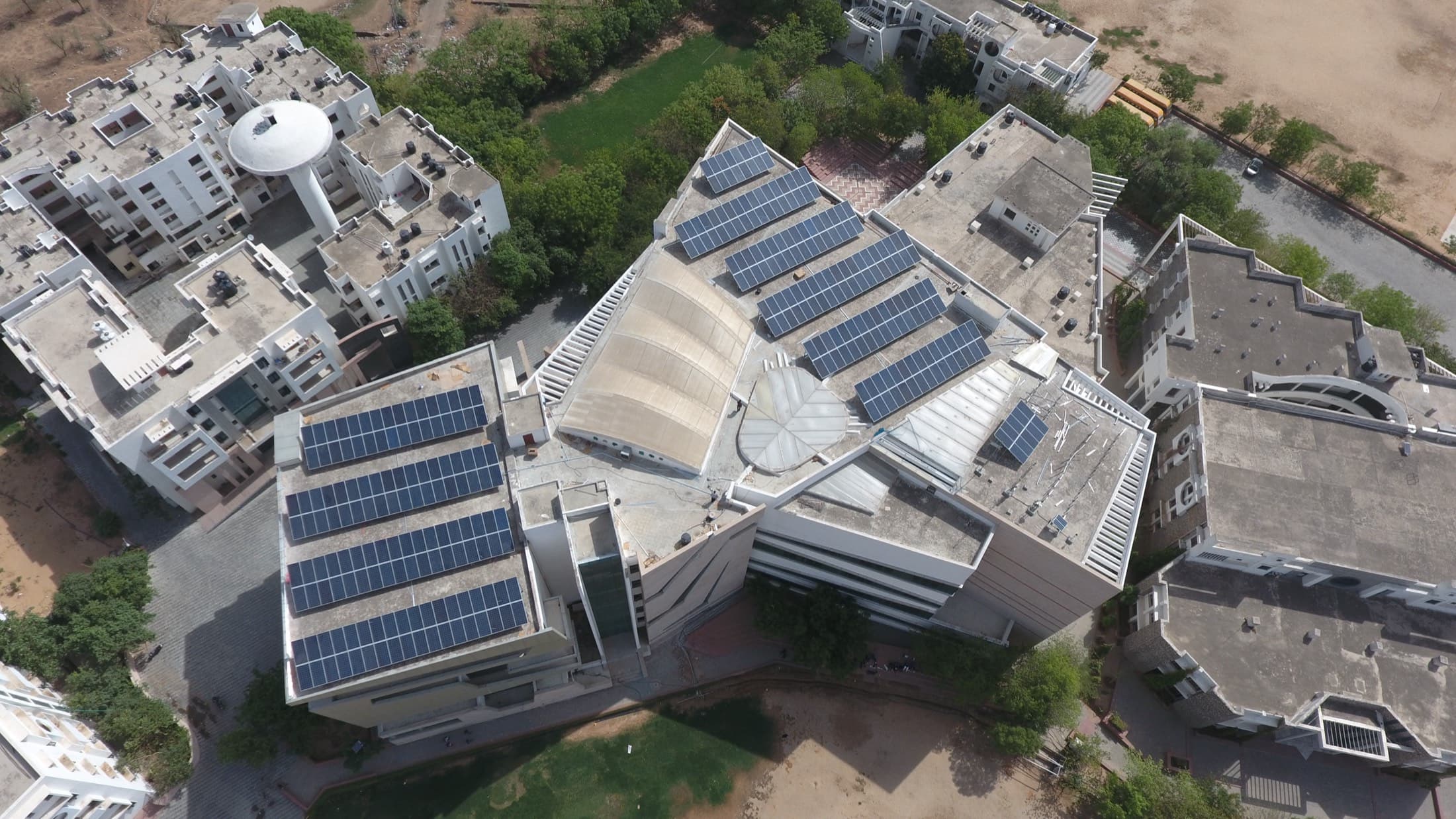
Net metering in Rajasthan: JVVNL, AVVNL, JdVVNL, step by step
Net metering is the agreement that turns your roof into a two-way account with the DISCOM. Here is how the application moves through JVVNL, AVVNL or JdVVNL, what each step needs from you, and where applications stall.
4 September 2026 · 5 min readRead the article
Subsidy and money
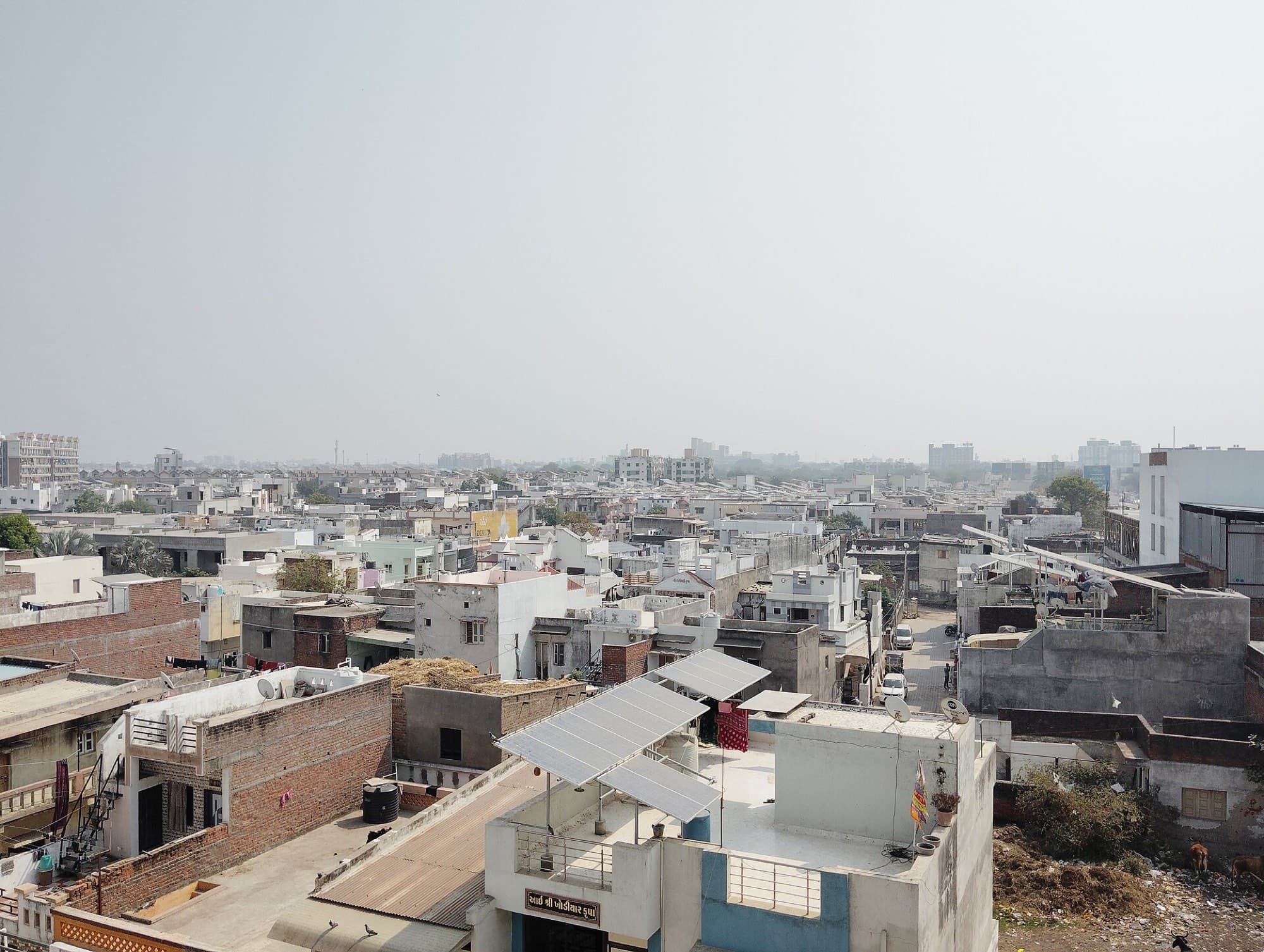
Rajasthan's ₹17,000 solar top-up, explained
The central PM Surya Ghar subsidy tops out at ₹78,000. Rajasthan adds up to ₹17,000 for families under its free-electricity scheme, taking the total to ₹95,000. This is the explainer for that extra amount: eligibility by connection, the payment route, and the maths for the small plant it was designed around.
4 September 2026 · 4 min readRead the article
Buying a system
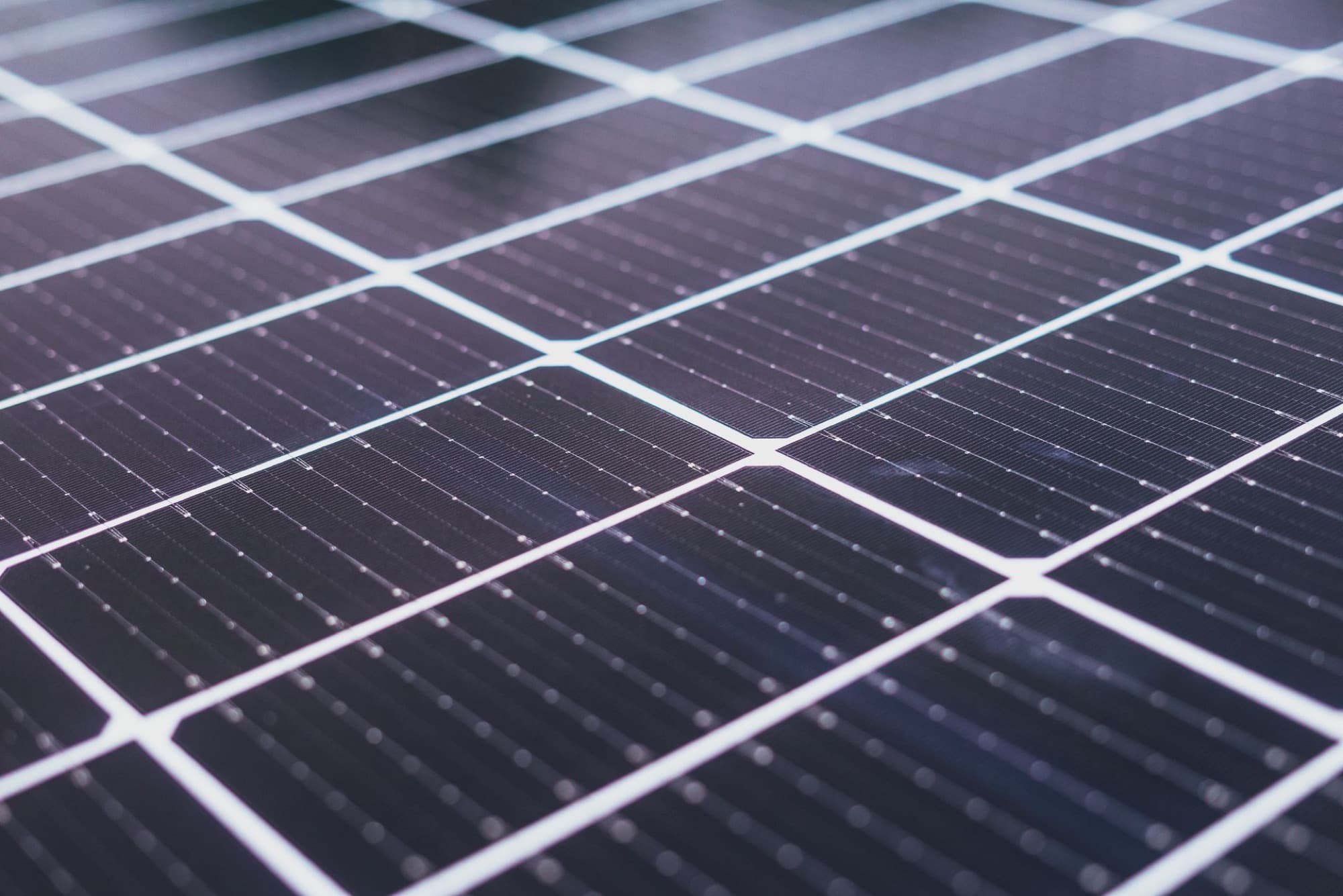
ALMM and DCR panels: check before you sign
Two acronyms decide whether your subsidy arrives: ALMM and DCR. Here is what they mean, how to check a quote against them in five minutes, and the other questions worth asking before the money moves.
4 September 2026 · 4 min readRead the article
Check my subsidy
Your bill tells us your slab.
Name, PIN and bill band are enough. A Suntask engineer works out your system size, the subsidy and the top-up eligibility, and replies on WhatsApp within 15 minutes, 9am to 7pm.