Key takeaways
- About 4,400 units a year, or roughly 370 a month on average, from a well-sited 3 kW plant in Rajasthan.
- Generation peaks in March to May and dips in July to August; a yearly average hides both.
- At about ₹7 a unit that is roughly ₹2,500 a month off the energy part of a home bill.
- The central subsidy is ₹78,000 at 3 kW; eligible Rajasthan families add up to ₹17,000.
The yearly number, and where it comes from
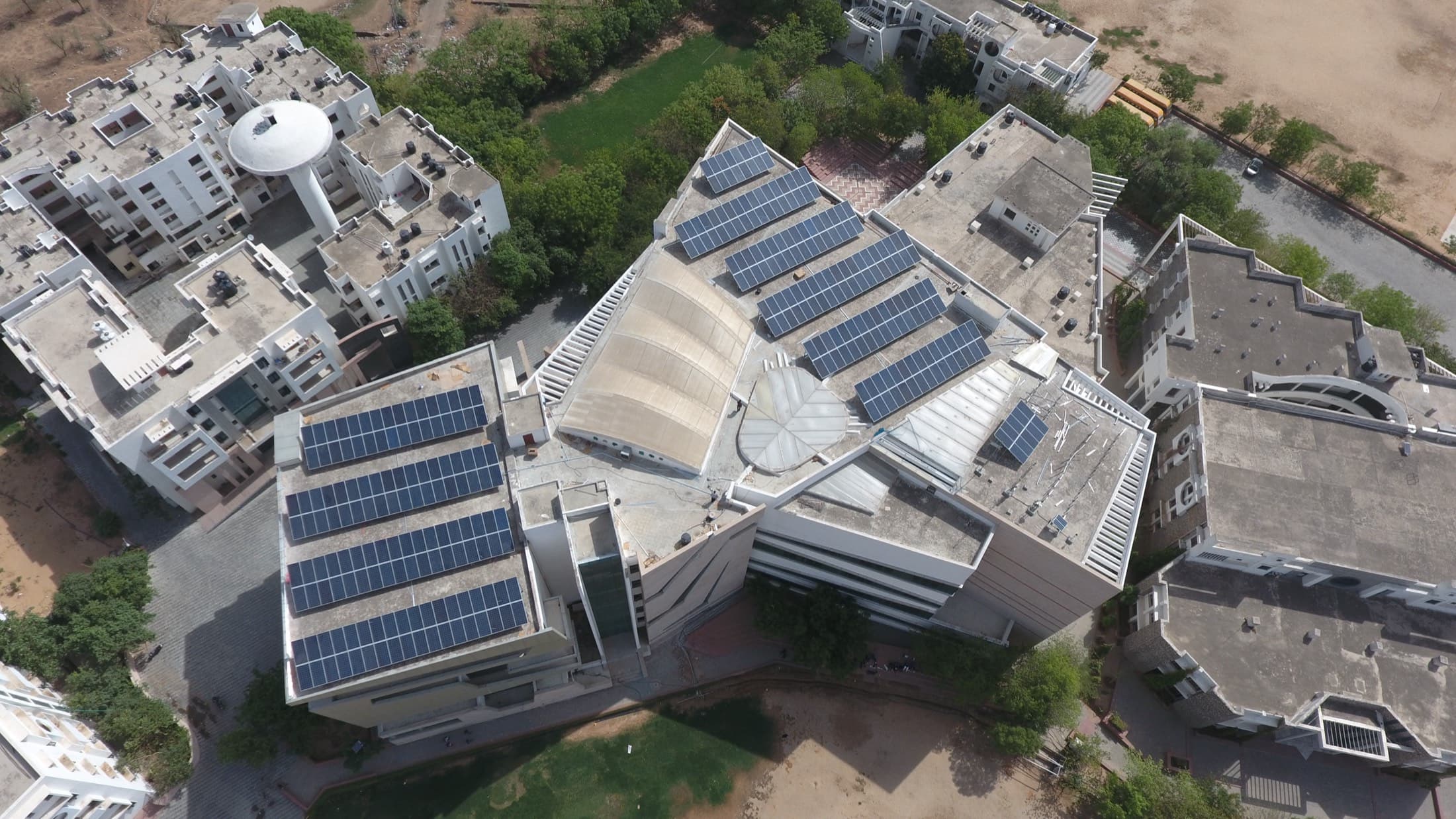
Rajasthan is one of the sunniest states in India. Our planning yield for a well-sited, south-facing, unshaded roof is 1,475 units per kW per year, which is the figure the savings calculator uses. Three kilowatts at that yield is about 4,400 units a year. Treat that as a ceiling: a proposal is built from your roof's own shading and orientation, so its estimate usually sits below the plan.
Month by month
A yearly figure hides the shape of the year. Roughly, in units a month for a 3 kW plant:
| Months | Units a month | Why |
|---|---|---|
| March to May | 420 to 460 | Long clear days. Heat trims panel output a little, but the sun wins. |
| June | 380 to 420 | Hot, with dust storms. |
| July to August | 280 to 340 | Monsoon cloud, though Rajasthan's monsoon is short. |
| September to October | 360 to 400 | Clear skies return, cooler panels. |
| November to February | 300 to 360 | Shorter days, low sun, winter fog in the mornings. |
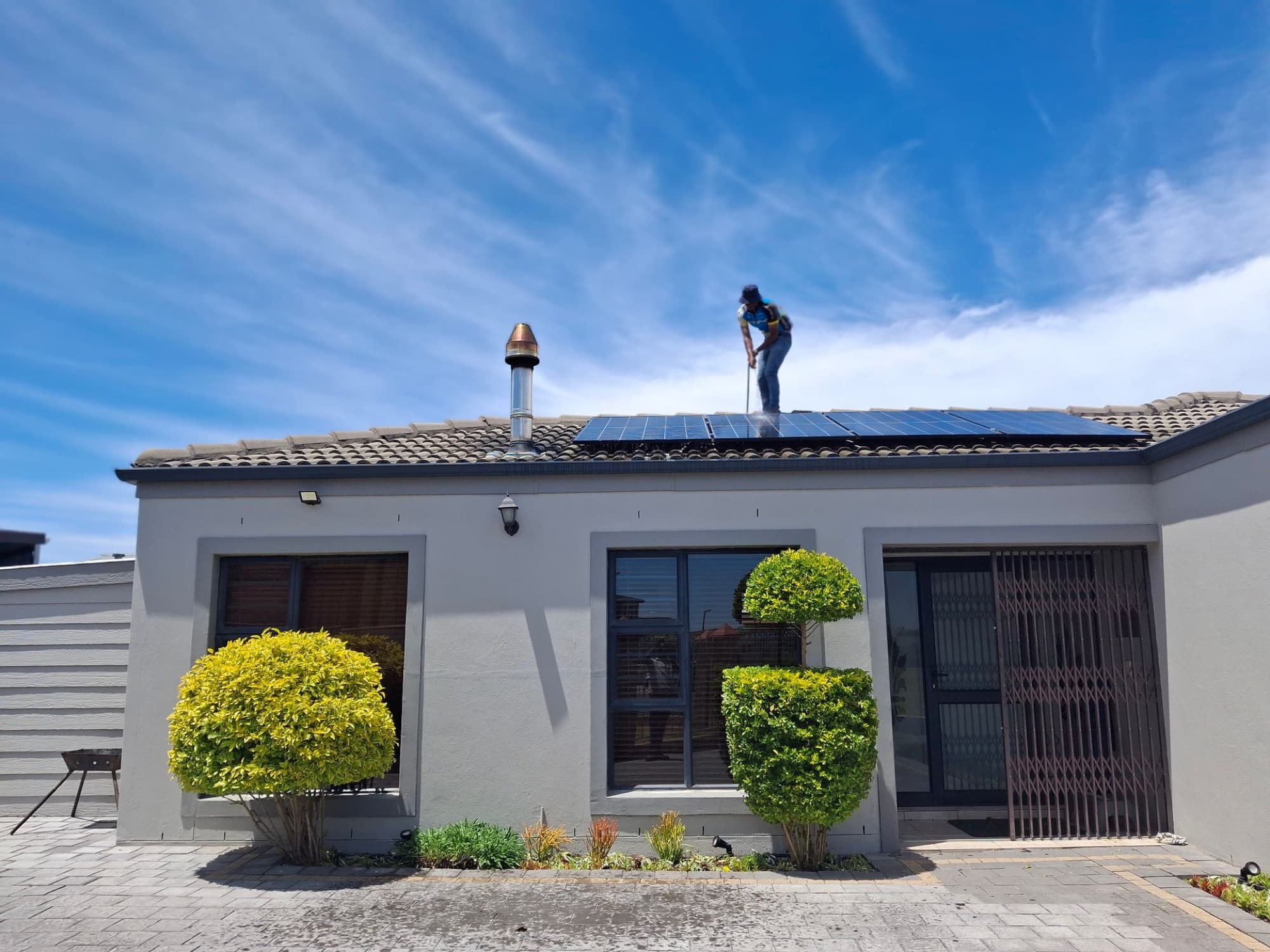
Indicative for a south-facing, unshaded roof tilted near the latitude. Shade, dust and orientation move every line.
What it saves
A JVVNL home tariff is about ₹7 a unit at the slabs a 3 kW home typically sits in. 4,400 units a year at that rate is about ₹30,000 a year, or ₹2,500 a month, off the energy part of the bill. Fixed charges and duties stay. Under net metering the daytime export is banked against the evening import, so the saving does not depend on being home at noon.
The bill band that fits a 3 kW plant is ₹2,500 to ₹4,000 a month. Below that a 2 kW pack usually fits better; above it, 5 kW. The calculator reads your bill and picks the size.
The roof it needs
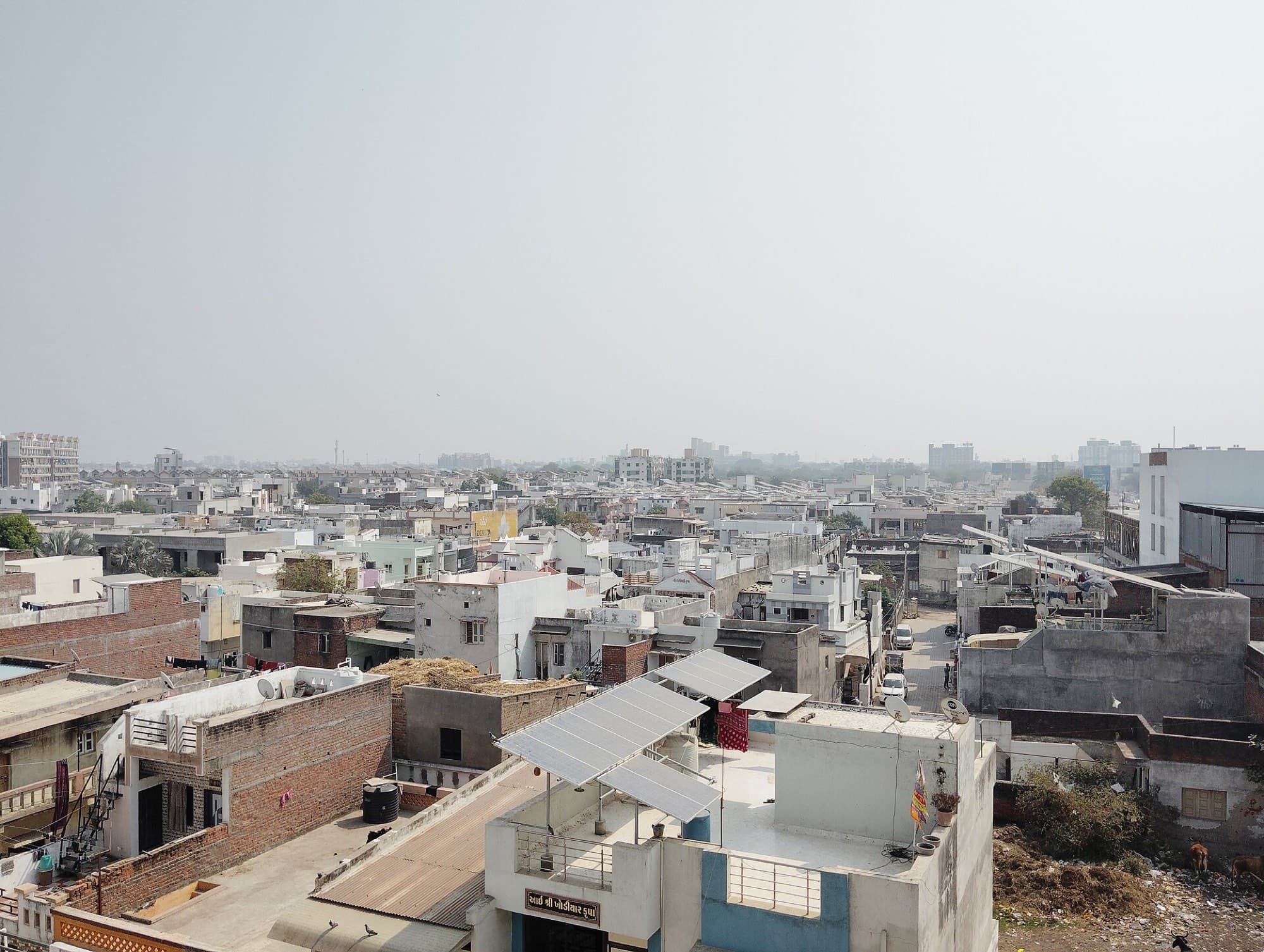
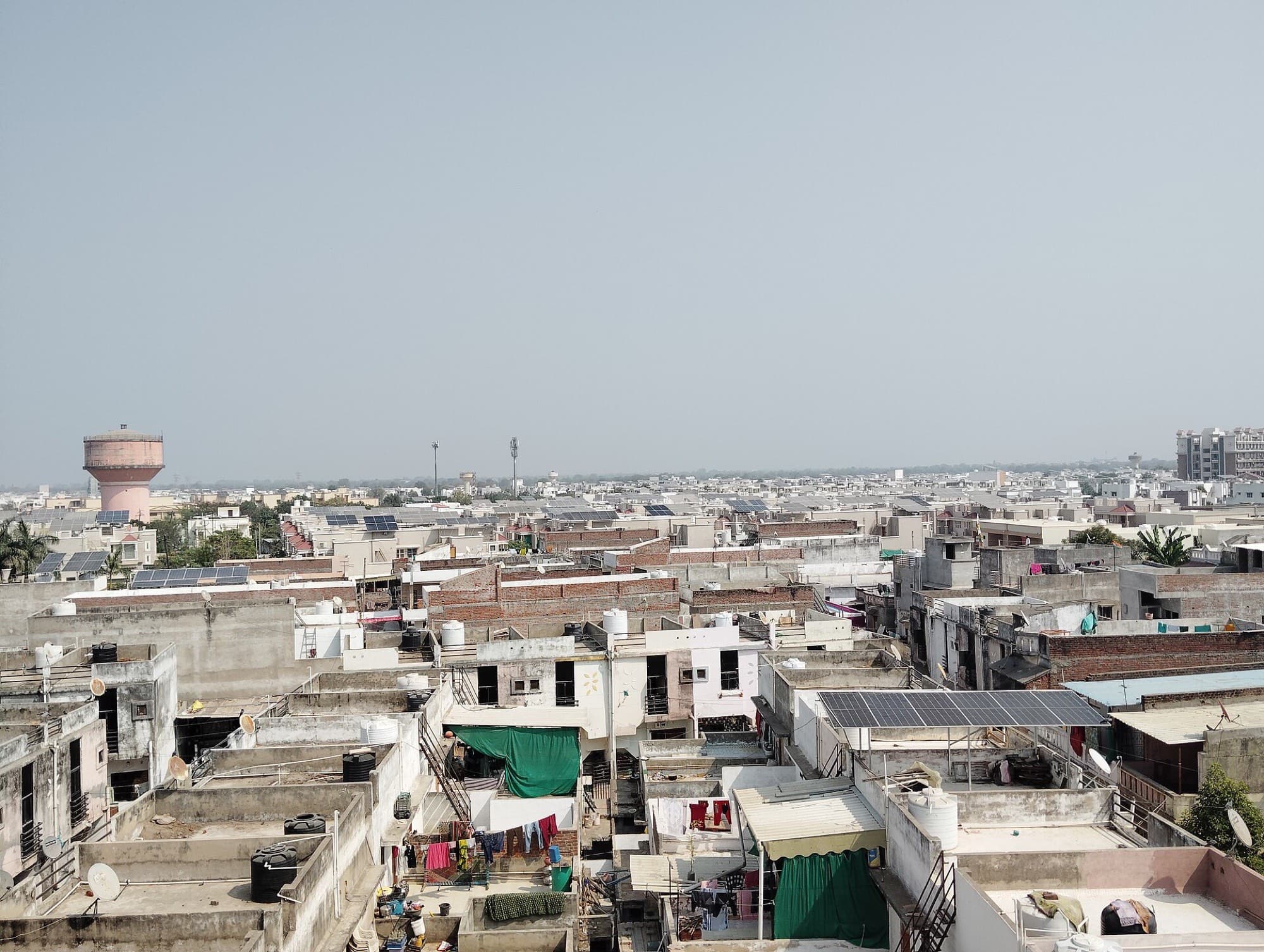
About 300 square feet of unshaded roof for six to seven modules of today's wattage, plus a wall for the inverter near the meter. A water tank or a parapet casting a morning shadow costs more than most people expect; the 3D design on survey day shows the shadow before you decide.
Subsidy and payback
PM Surya Ghar pays ₹30,000 per kW for the first 2 kW and ₹18,000 for the third: ₹78,000 at 3 kW. Families under Rajasthan's free-electricity scheme get up to ₹17,000 more. The subsidy lands in your bank account after commissioning, and a collateral-free loan at about 7% is available for the balance, so ₹0 down is the common case.
Payback is the net price after subsidy divided by the yearly saving. With the subsidy, most 3 kW homes in Rajasthan pay back in about three to four years, and our service commitment runs for up to 10 years after that.
Part of The Rajasthan Rooftop Solar Guide
Suntask engineering desk · Jaipur
Posts are drafted by the engineers who size, file and install Suntask plants across Rajasthan, and checked against the scheme portals before publishing. Figures carry the date they were last checked.